
Buying in Bulk: Real Savings or a False Bargain?
You’ve heard it a thousand times: buy in bulk and you’ll save money. The per-unit price is lower, the packaging is more efficient, and you don’t have to run to the store every week. On paper, it’s airtight. In the reality of your kitchen, it’s often a different story — and the numbers behind those “guaranteed savings” deserve a closer look.

The math that fools everyone
A 20-pound bag of rice for $12 obviously looks like a better deal than a 2-pound bag for $2.50. The unit price is indeed about 20% lower. But that calculation only accounts for one variable: the price you pay at checkout. It completely ignores what happens after the purchase — which is actually what determines whether that savings gets pocketed or quietly lost. https://americankitchentales.com/store-brand-vs-name-brand/
Three factors chip away at that apparent savings, and they’re rarely mentioned in price comparisons:
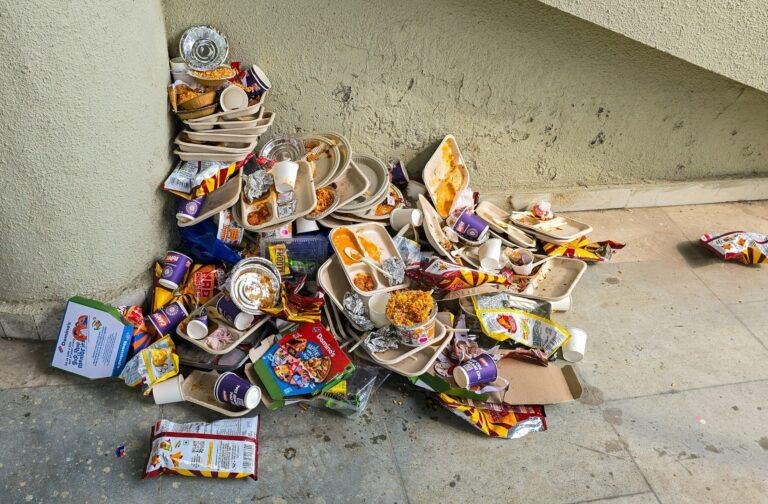
- Waste. Studies on food behavior consistently show that households throw away proportionally more food when it’s bought in large quantities. A giant box of cereal that goes stale before it’s finished, bulk spices that lose their punch before the jar is even half empty, a family-size jar of sauce that sits open in the fridge for three weeks. Every ounce thrown out cancels out part of the savings made at purchase.
- Overconsumption. A large package sitting visibly in the pantry encourages bigger portions. This isn’t about willpower or discipline — it’s a well-documented behavioral bias. People eat in proportion to the quantity they perceive as available, not to what they actually need. A family-size bag of chips almost always disappears faster than a small one, simply because it’s there.
- Storage costs. A second freezer to stash bulk-bought meat runs on electricity year-round, summer and winter alike. That invisible cost — often tens of dollars a month depending on your region — never shows up in the “price per pound” sticker on the shelf, yet it’s very much part of the real cost of your bulk-buying strategy.
Where bulk buying really pays off
Not every product fits this equation the same way. Bulk packaging remains an unambiguous win in a few specific cases:
For a practical list of affordable staples to keep on hand, see How to Stock a Pantry on a Budget.
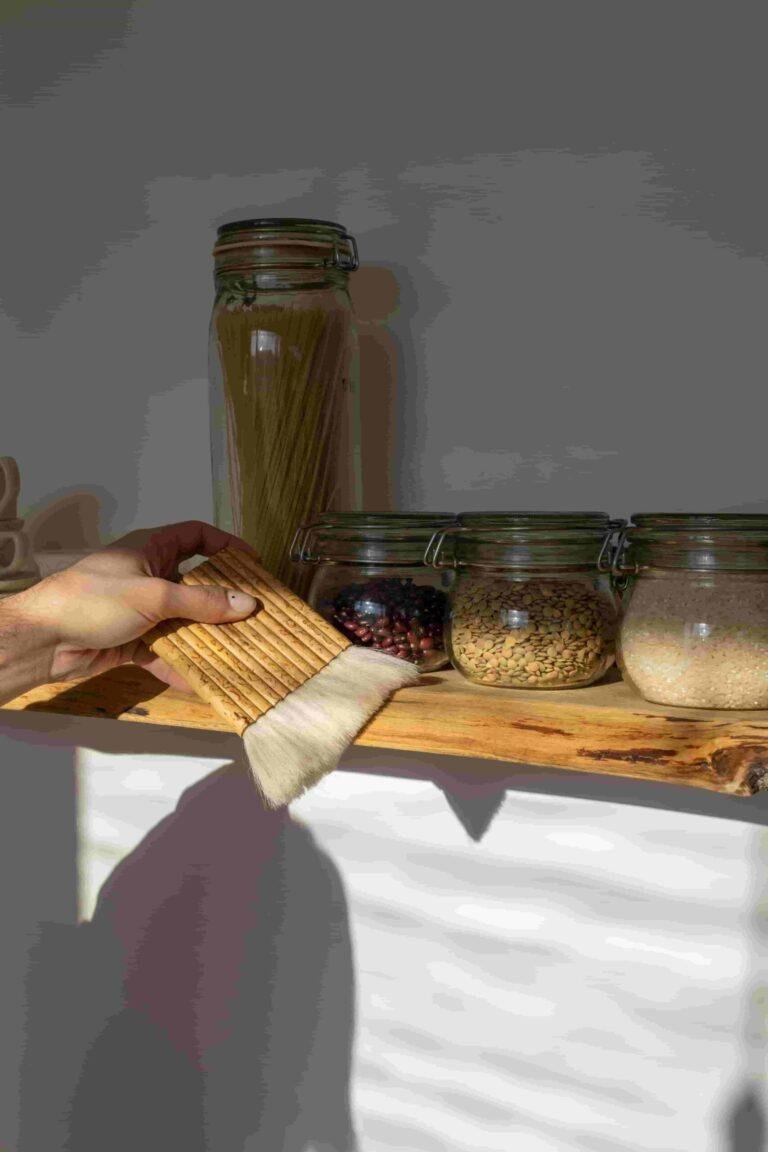
- Shelf-stable products. Rice, dried pasta, dried legumes, toilet paper, cleaning supplies — nothing here degrades meaningfully while it waits to be used, sometimes for months or even years. The only real constraint is how much storage space you have at home, not product spoilage.
- Items you consume predictably and consistently. If your household genuinely goes through 4 pounds of rice a month, reliably, year after year, the family-size option is a clear win, full stop. Predictable consumption removes the risk of waste entirely.
- Anything that freezes well without losing quality. Ground meat, sliced bread, certain vegetables like peas or corn. Portioning out a bulk purchase and freezing it immediately turns a risky bulk buy into a perfectly controlled reserve.
Where it loses its edge
On the flip side, certain categories make bulk buying structurally worse, no matter how big the price gap looks on the shelf:
- Fast-perishing fresh items: ripe fruit, leafy greens, fresh dairy like yogurt or cream. The waste rate on these products is so high that it frequently wipes out the entire price advantage of buying bulk — and can even end up costing more in the end.
- Anything you’re trying for the first time. A new brand, a new recipe, an unfamiliar ingredient: always go small the first time, until you know the whole household actually likes it. The worst outcome isn’t paying a bit more per pound — it’s throwing out an entire bulk container of something nobody ends up eating.
- Spices, herbs, and condiments you rarely use. They lose their flavor and aroma long before the jar runs empty — often within just a few months for dried herbs. A big jar of paprika that’s half-full and gone stale hasn’t saved anyone a dime.
The real question to ask yourself
Before loading up your cart at the bulk aisle, one question actually matters: will I use all of this before it spoils or I get tired of it? If the answer is a near-certain yes, backed by consumption habits you’ve actually observed over time, buy in bulk without hesitation.
If the answer is uncertain, the smaller size — even at a noticeably higher price per pound — is often the more economical choice in the end, simply because none of it goes to waste. A 20% savings on paper that turns into 40% of the product thrown away isn’t, mathematically, a savings at all.
The most effective trick, in the end, isn’t hunting for the biggest size available on the shelf — it’s knowing your own consumption habits before you decide. The real savings aren’t always hiding in the price tag. They’re hiding in what actually ends up on your plate instead of in the trash. https://kitchenseer.com/grocery-staples-worth-buying-bulk/