Store Brand vs Name Brand: Is the Price Gap Still Worth It in 2026
Okay, real talk for a second. Somewhere in your brain there’s a tiny voice that still thinks the store-brand ketchup is going to taste like sad red water. I get it. I used to feel the same way about basically everything in the “value” aisle. Then I actually started paying attention to prices for a living (long story, involves a warehouse and way too many clipboards), and it kind of ruined brand loyalty for me forever. In a good way.https://americankitchentales.com/is-junk-food-cheaper-cost-per-calorie/
So let’s settle this properly instead of just vibing about it.
The Actual Numbers Are Kind of Wild
A study that went through 171 grocery products at Walmart, Target, and Kroger earlier this year found that store brands came in over 40% cheaper on average than their name-brand twins. Not “sometimes.” On average. Across almost every category they checked.
A few standouts that made me laugh a little:
- Sports drinks: store brand saved something like 74% compared to the name brand. That’s not a discount, that’s basically a different tax bracket.
- Fruity cereal loops (you know the ones): around 69% cheaper for the generic version.
- Ketchup: about 66% cheaper.
- Corn flakes: roughly 64% cheaper.
- Pasta: around 49% cheaper.
I don’t know what Fruit Loops’ parent company is putting in that marketing budget, but whatever it is, you’re the one paying for it.
Wait, Why Is the Gap THAT Big Sometimes
Here’s the part that used to blow my mind back when I was counting inventory for a living. A lot of store-brand products come off the exact same production lines as the name brand. Same facility, same ingredients, different label slapped on at the end. Not every single product works that way, obviously, but it happens way more than people assume. You’re not paying for a better product half the time. You’re paying for the commercial that told you to want it.
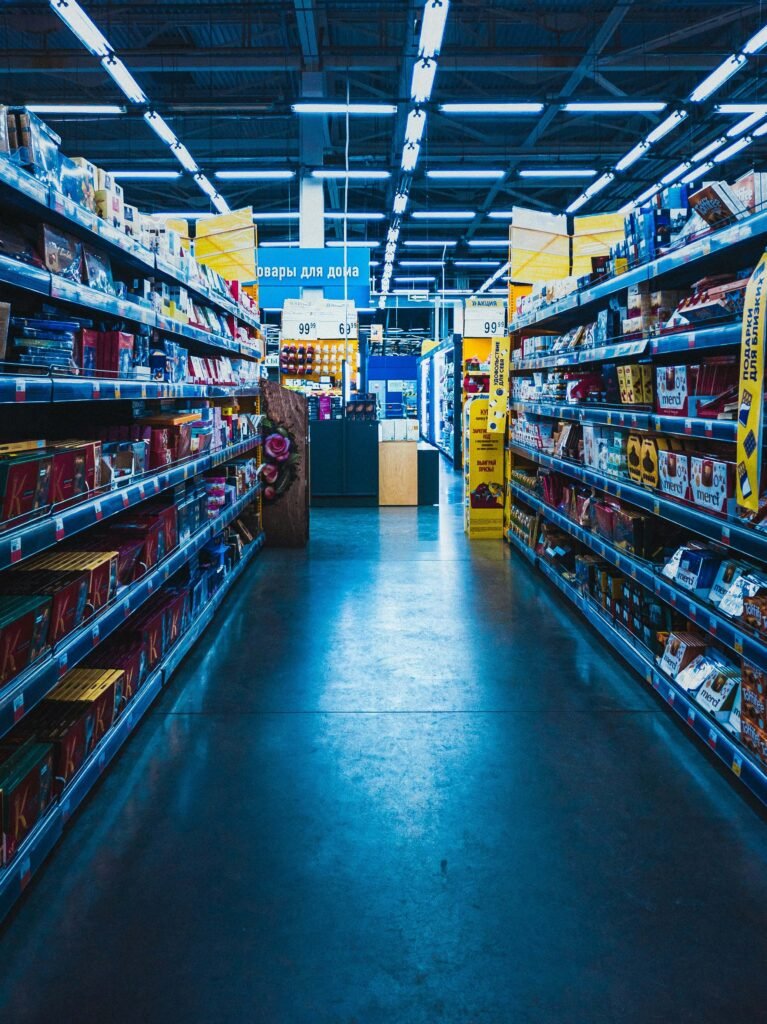
Aldi leans into this harder than anyone. Something like 90% of what’s on their shelves is their own private label. That’s not an accident, that’s basically their entire business model, and it’s why their prices look the way they do.
But Real Talk, It’s Not a Total Slam Dunk
I want to be fair here because I’d be lying if I said store brand wins every single time.
Sometimes a name brand goes on sale or you’ve got a coupon stacked, and suddenly the “premium” option is actually cheaper than the generic sitting right next to it. It happens more than you’d think. The move is to actually glance at the unit price tag on the shelf instead of assuming the bigger, flashier box is automatically the worse deal.
And taste does vary. There was a blind taste test a while back comparing store brand and name brand head to head across almost 20 products, and the results were honestly pretty humbling for the name brands. Store brand tied in about half the matchups and only actually lost in a handful. People assume they’ll be able to taste the difference every time. In practice, a lot of us can’t.https://www.bls.gov/news.release/cpi.nr0.htm
Where I’d Actually Switch Without Thinking Twice
Pantry basics. Pasta, canned goods, flour, sugar, basic spices, plain cereal. Nobody is out here doing a blind taste test on canned corn. Switch and never look back, you’ll barely notice and your wallet definitely will.
Where I’d Actually Slow Down and Taste-Test First
Anything where texture and flavor really carry the whole product. Ice cream, cheese, coffee, snack chips. These are the categories where a name brand sometimes genuinely earns its price, and where “cheaper” doesn’t automatically mean “just as good.” Try the generic once, decide for yourself, don’t just take my word for it.
So Is It Still Worth It in 2026?
Yeah. Honestly, more than ever, given where grocery prices have been headed. Store brands aren’t the sad backup option they used to be. Retailers have poured real money into making them taste good and look decent on the shelf, not just cheap. Shoppers nationally are saving somewhere around $40 billion a year collectively just by making this one swap habit, which tells you it’s not a niche move anymore, it’s just how a lot of smart people shop now. https://www.netcredit.com/blog/off-brand-foods/
You don’t have to switch everything overnight. Just start with one aisle. Pick the boring stuff first, the stuff nobody’s emotionally attached to, and work your way up from there. Your cart total will thank you, and honestly, your taste buds probably won’t even notice the difference.