Five Cheap Sauces That Make Plain Food Worth Eating
Eating cheaply Sauces means eating the same things. Rice, beans, potatoes, eggs, cabbage, pasta. That is not a flaw in budget cooking, it is how budget cooking works: a small number of staples, bought in quantity, cooked repeatedly.The thing that makes it survivable is sauce.
A sauce costs cents, takes minutes, and turns the same bowl of rice into a different dinner three nights running. None of the five below needs a recipe card or special equipment, and all five come out of the pantry list I published earlier.
These are not pasta sauces. Those are a separate piece. These go on everything else.
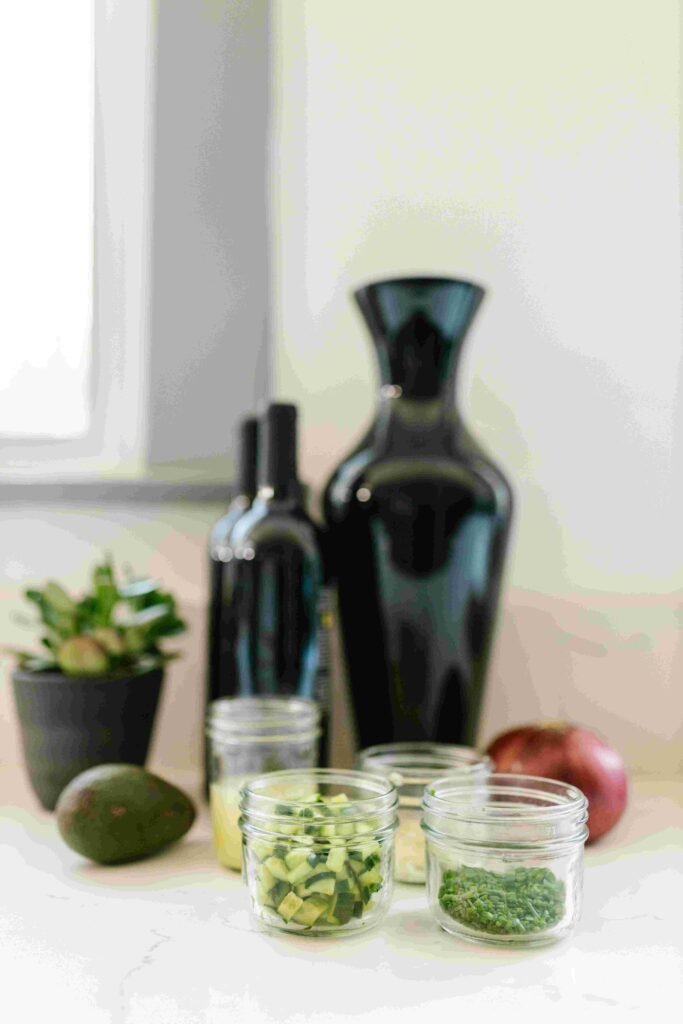
Vinaigrette sauce, about 10 cents a serving
Three parts oil to one part acid, salt, and something sharp if you have it.
Two tablespoons of oil, two teaspoons of vinegar or lemon juice, a good pinch of salt, black pepper. If you have mustard, half a teaspoon holds it together and stops it separating. Shake it in a jar.
This is not just for salad. It goes on warm beans, on roasted potatoes, on plain rice, on cabbage, on anything boiled. Acid on hot starch is one of the most reliable improvements available in a kitchen and almost nobody does it.
Make it in a jar and keep it for a week.
Garlic yogurt sauce, about 25 cents a serving
Plain yogurt, one clove of garlic grated fine, lemon juice, salt.
That is the whole thing. It takes ninety seconds and it makes rice and beans, roasted vegetables, or a plain chicken leg taste like they were planned rather than survived.
Grate the garlic rather than chopping it. A microplane or the fine side of a box grater turns it into paste, which distributes through the yogurt instead of sitting in it as raw chunks.
If you have any dried herb, oregano or mint or dill, add it. If you have cumin, add that instead and you have something closer to a Middle Eastern table sauce.
Quick salsa sauce, about 30 cents a serving
A can of diced tomatoes, drained, half a small onion diced very fine, lime or vinegar, salt, and chili if you want it.
Fresh tomatoes are better in August and worse the other ten months of the year, and canned diced are consistent, cheap, and already the right texture. This is the one place the calcium chloride in diced tomatoes actively helps: you want pieces that hold their shape.
Soak the diced onion in cold water for five minutes first. It takes the raw bite off without cooking it, which is the same trick that makes raw onion work in the tuna and white bean salad.
Rests better than it serves immediately. Give it fifteen minutes.
Pan gravy, about 15 cents a serving
The one people think is difficult and is not.
After you cook anything in a pan, meat especially, there are browned bits stuck to the bottom. Put the pan back on medium heat, sprinkle in a tablespoon of flour, and stir it into the fat for a minute until it smells toasted. Then pour in a cup of liquid, water or stock or even the water you boiled potatoes in, whisking as you go. It thickens in two or three minutes. Salt, pepper, done.
The whole thing is flour plus fat plus liquid, which is the same three-part structure as almost every thickened sauce in European cooking.
It costs almost nothing because the expensive part, the browned residue, is something you were going to wash off the pan.
Garlic chili oil, about 20 cents a serving
Slice four cloves of garlic thin. Put them in a small pan with half a cup of oil, cold, and turn the heat to low. Let them go pale gold, which takes about five minutes, then take the pan off the heat and stir in a tablespoon of chili flakes and a teaspoon of paprika. The residual heat blooms them without burning.
Salt it. Keep it in a jar in the fridge for a couple of weeks.
Spoon it over eggs, rice, beans, cabbage, soup, bread. It is the highest-impact thing on this list per minute of work, and it improves almost anything savory that is otherwise plain.
Start the garlic in cold oil. Dropping it into hot oil scorches it in thirty seconds and burnt garlic is bitter beyond rescue.
What they cost together
| Sauce | Per serving | Keeps |
|---|---|---|
| Vinaigrette | $0.10 | 1 week |
| Pan gravy | $0.15 | Serve immediately |
| Garlic chili oil | $0.20 | 2 weeks |
| Garlic yogurt | $0.25 | 3 days |
| Quick salsa | $0.30 | 3 days |
All estimates from ordinary supermarket prices.
For comparison, adding any of these to a bowl of rice and beans at 80 cents a serving takes it to between 90 cents and $1.10. You have changed the meal for a tenth of what it cost to make.
The pattern underneath all five
Every one is some combination of fat, acid, salt, and something aromatic.
Vinaigrette is oil and vinegar. Yogurt sauce is fat and acid in one ingredient, plus garlic. Salsa is acid and aromatic with no fat. Chili oil is fat and aromatic with no acid. Gravy is fat plus liquid plus the browned flavor already in the pan.
Once you see the four elements, you stop needing recipes for this category. You need a fat, something sour, salt, and one thing with a smell. What you have in the cupboard decides the rest.
That is also why plain cheap food tastes plain. It usually has the salt and sometimes the fat, and almost never the acid or the aromatic. Two of the four are missing, and both are the cheap ones.