Rice and Beans: 80 Cents a Serving, and the Complete Protein Myth Is Wrong
This is the cheapest dinner on this site and it is not close. Eighty cents a serving, about 4.7 cents per gram of protein, and it uses two ingredients that keep in a cupboard for years.
It is also the meal I referenced in the weekly plan without ever publishing the recipe, which was an oversight. Here it is.
What it costs
| Ingredient | Amount | Cost |
|---|---|---|
| Dried black beans | 1 cup (200 g) | $0.90 |
| White rice | 1.5 cups (300 g) | $0.90 |
| Yellow onion | 1 large | $0.65 |
| Garlic | 4 cloves | $0.20 |
| Olive or neutral oil | 2 tbsp | $0.30 |
| Cumin, oregano, bay, salt, pepper | $0.25 | |
| Total | 4 servings | $3.20 |
80 cents per serving. About 4.7 cents per gram of protein.
These are my estimates. BLS does not track dried beans, and its rice series has gaps, so unlike most articles here I cannot anchor this to a federal average. Check your shelf.
The canned shortcut costs you a dollar. Two cans of black beans run around $2.60 against 90 cents for the dried equivalent. If you have not soaked, use cans and accept it, the same trade I made in the cabbage recipe. The dish is still cheap.
The complete protein thing, which is mostly wrong
You have heard that rice and beans must be eaten together to make a complete protein. Beans are low in methionine, grains are low in lysine, and together they cover the full set of essential amino acids.
The first half of that is true. The second half, the part about together, is not.
The idea that complementary proteins have to arrive in the same meal came from popular nutrition writing in the 1970s, and the author who popularized it later retracted it. Your body maintains a pool of amino acids and draws on it across the day. Eating beans at lunch and rice at dinner works exactly as well.
So rice and beans is not a nutritional trick that only works if you combine them on one plate. It is a good, complete source of protein that happens to also be the cheapest combination in the store, and it is fine on its own terms.
I mention it because the myth makes people anxious about combining things correctly, and that anxiety is entirely unnecessary.
Ingredients
Serves 4.
- 1 cup dried black beans, soaked overnight, or 2 cans, drained
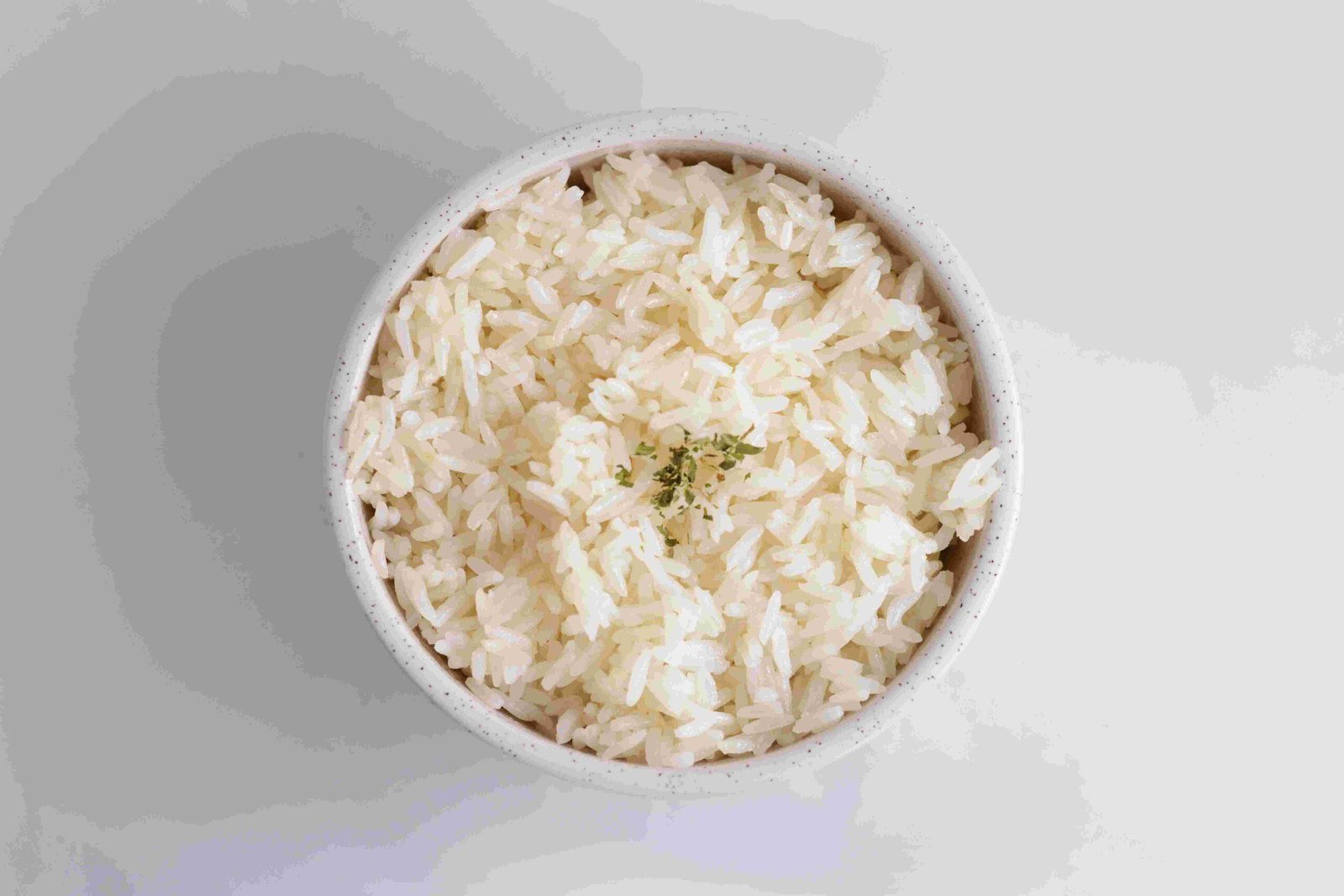
- 1.5 cups long grain white rice
- 1 large yellow onion, diced
- 4 cloves garlic, minced
- 2 tbsp oil
- 2 tsp ground cumin
- 1 tsp dried oregano
- 2 bay leaves
- 1.5 tsp salt, plus more to finish
- Black pepper
- A squeeze of lime or a splash of vinegar
Method
If using dried beans: soak overnight in plenty of water. Drain, cover with fresh water by two inches, add one bay leaf, and simmer 45 to 60 minutes until tender. Salt them in the last ten minutes, not at the start. Keep about a cup of the cooking liquid.
Cook the rice separately, however you normally do. Rinse it first if you want separate grains, do not rinse if you want it slightly sticky. Both are correct.
Build the beans. Heat the oil over medium, cook the onion with a pinch of salt for 6 to 8 minutes until soft and starting to color. Add the garlic, cumin, and oregano and stir for 30 seconds until they smell like something.
Add the beans, the remaining bay leaf, the salt, pepper, and about a cup of bean cooking liquid or water. Simmer 10 to 15 minutes, uncovered, until the liquid thickens into a loose sauce.
Mash some of them. Take a spoon and crush about a quarter of the beans against the side of the pot. This is the step that separates a good pot of beans from beans in water. The starch thickens everything and the dish stops being two separate things.
Finish with acid. Lime or vinegar, off the heat. Taste, add more salt. It will need it.
Serve the beans over the rice.
Nutrition, estimated per serving
| Per serving | |
|---|---|
| Calories | 525 |
| Protein | 17 g |
| Fat | 9 g |
| Carbohydrates | 95 g |
| Fiber | 10 g |
| Sodium | about 750 mg |
Estimated from USDA reference values and rounded, using dried beans. Canned beans push the sodium up considerably depending on brand and rinsing.
Notes
On soaking. Overnight is easiest. If you forgot, cover the beans with water, boil hard for two minutes, take off the heat and leave covered for an hour. That gets you most of the way there.
On salting beans. The old advice that salting early makes beans tough has been fairly thoroughly disproved, but salting at the end still gives you more control and there is no downside to it.
Brown rice. Works, takes about twice as long, adds fiber, and costs a little more. Not a better dish, just a different one.
Leftovers. Four days in the fridge, and the beans improve. Rice does not, so cook rice fresh if you can. Cold rice needs care: cool it fast, refrigerate within an hour, and reheat it thoroughly once only.
Making it bigger. A fried egg on top adds about 70 calories and 6 grams of protein for around 18 cents. So does anything green on the side.
Why this is the cheapest thing here. Both main ingredients are dried, shelf-stable, sold in large bags, and require no refrigeration. Nothing in the dish can spoil before you get to it, which is the real reason cheap food is often expensive: most of it is fresh, and fresh food runs on a clock your week does not respect.