Your Grocery Bill Isn’t the Problem. Your Fridge Is.
I spent a few years auditing inventory. Counting stock, reconciling what the system said was on the shelf against what was actually on the shelf, and writing up the gap. It is not a glamorous job. But it does permanently change how you look at a refrigerator.
Because here’s the thing. I wrote a piece a while back showing you could save around $890 a year by swapping ground beef for chicken a few nights a week. That’s real money and the math holds up.
Then I looked at what Americans throw away, and I felt a little silly about the whole exercise.
The number
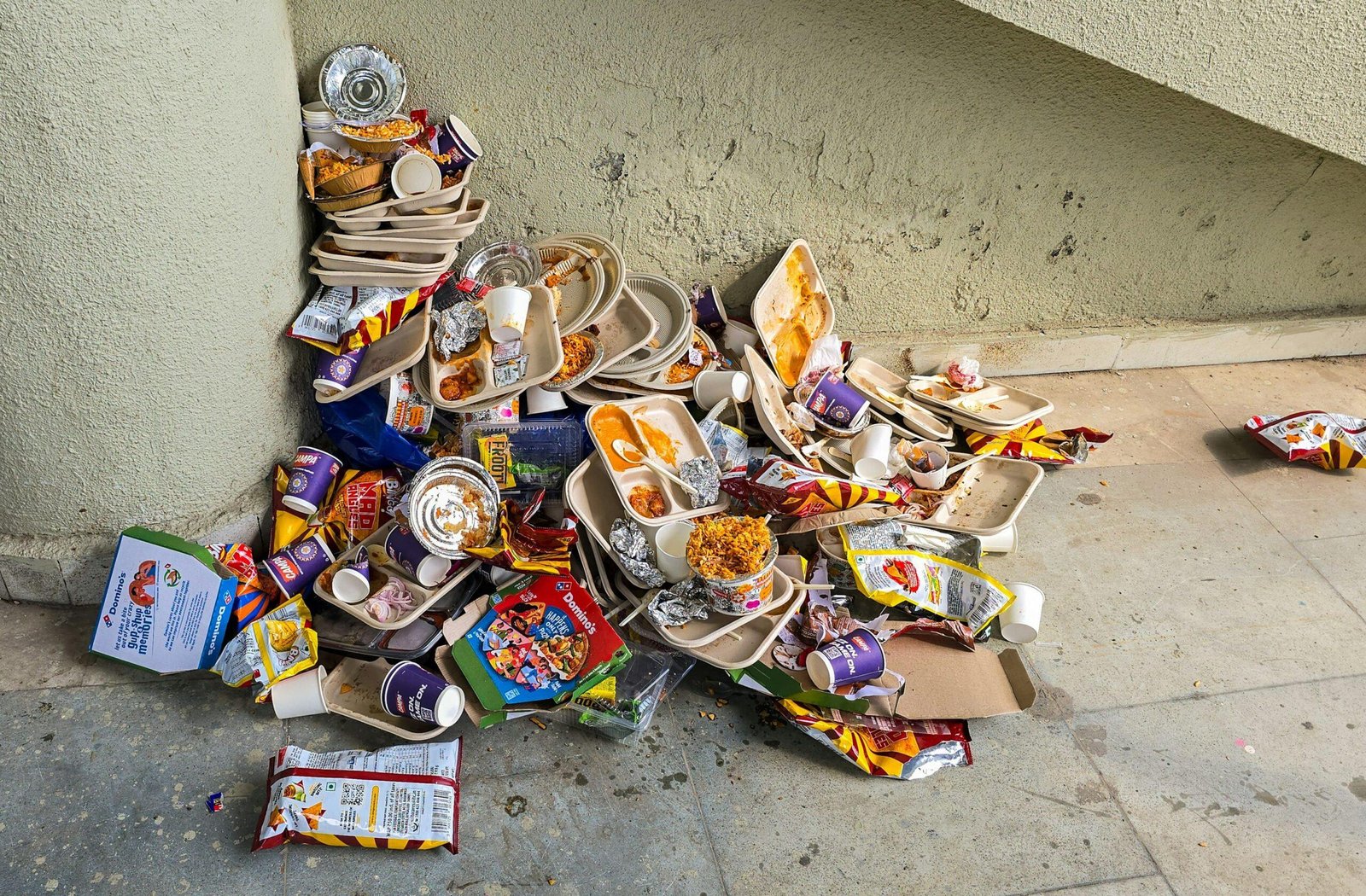
EPA ran the calculation in 2025 and put the cost of wasted food at $728 per person per year. For a household of four, that’s $2,913. About $56 a week, walking from the fridge to the trash.
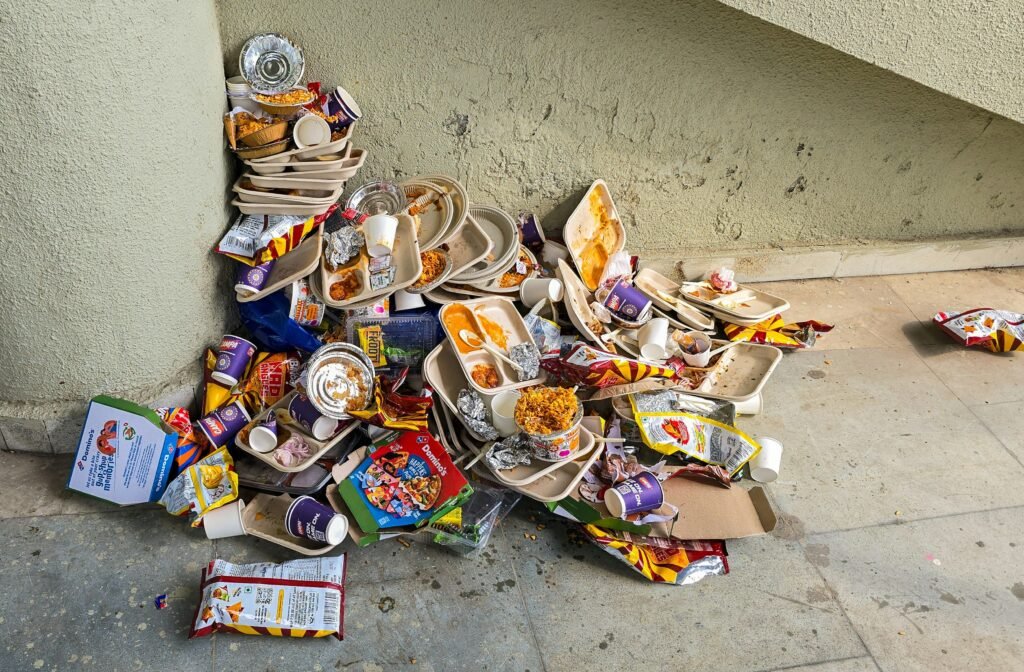
Sit with that for a second. All the protein optimization I wrote about saves a family roughly $890. The food that family buys and never eats costs them more than three times that. https://www.fda.gov/food/consumers/food-loss-and-waste
You could switch to the cheapest protein in the store, plan every meal, shop only the sales, and you’d still be beaten by whoever just eats what they already bought.
This is not a discipline problem
Every article about food waste tells you to plan your meals and stop buying things you don’t need. Which is a bit like telling a warehouse it’s losing product because the staff aren’t trying hard enough.
That’s not why warehouses lose product. And it’s not why your vegetables die.
A warehouse without accurate visibility over what it holds will over-order, lose things behind other things, and discover a pallet of something expired three weeks ago. Not because anyone was careless. Because the information wasn’t there when the decision was made.
Your fridge is a warehouse with terrible visibility. You open it, you see the front row, you don’t see the back, and then you go to the store and buy a decision based on incomplete information. Every single time.https://americankitchentales.com/is-junk-food-cheaper-cost-per-calorie/
That’s not a willpower failure. That’s a systems failure. And systems failures have systems fixes.
What warehouses do that kitchens don’t
Five things. None of them require you to be a more organized person, which is good, because that’s not a plan , your Grocery Bill Isn’t the Problem
1. First in, first out. Actually enforced.
Everyone knows FIFO. Almost nobody does it at home, because doing it means physically moving the old stuff to the front when the new stuff arrives, and that takes twenty extra seconds while you’re standing there with grocery bags.
In a warehouse, if you don’t enforce rotation at the moment of receiving, it doesn’t happen later. Same at home. The twenty seconds when you unpack is the only moment this ever gets done. Old to the front, new to the back. That’s it. That’s the whole technique.
2. One designated zone for stock at risk.
Any decent operation has a spot for product that needs to move soon. Not scattered through the inventory. One place, and everyone knows what that place means.
Give yourself a shelf. Anything within a few days of turning goes there, and that shelf is where you look first when you’re deciding what to cook. The point isn’t tidiness. The point is that at-risk stock becomes visible instead of buried.
3. Count before you order.
No warehouse orders without checking what’s on hand. Households order first and check later, which is how you end up owning four bottles of mustard.
Thirty seconds looking in the fridge before you write the list. Not a full inventory. Just the categories you habitually over-buy, and you know exactly which ones those are.
4. Store things so they’re visible.
Opaque containers are where food goes to be forgotten. In a warehouse we label the outside of the box because nobody is going to open it to find out.
Clear containers, or a label, or just don’t stack things in front of other things. If you can’t see it, it doesn’t exist, and if it doesn’t exist you’ll buy another one.
5. Order to actual consumption, not to aspiration.
The single most common inventory mistake I saw was ordering against a forecast that was really a hope. You do this with vegetables. Everyone does this with vegetables. You buy for the week you intend to have, not the week you’re going to have. Buy for the week you actually have, and buy the aspirational spinach on Thursday if Thursday turns out differently.
The date label thing
Worth knowing, because it drives a large chunk of what gets thrown out.
“Sell by” is not a safety date. It’s an inventory instruction from the manufacturer to the store, telling them how long to display the product. It is, quite literally, a stock rotation code that ended up printed where consumers could read it and misunderstand it.
“Best by” is a quality estimate. The manufacturer’s guess at when the product stops being at its peak. Not when it becomes unsafe.
“Use by” is the one that’s closest to a safety statement, and even then it’s mostly about a few high-risk categories.
USDA and FDA opened a public comment period on this exact problem, because the labels are inconsistent and the confusion is measurable in wasted food. Until that gets resolved, the practical move is to look at the food rather than the printed date. Your eyes and nose are better instruments than a code designed for a shelf rotation schedule.
Where I’d push back on my own argument
A few honest caveats, because I’d rather tell you than have you find out.
The $728 figure is an average across the whole population, and averages hide a lot. A household that already runs tight is not throwing away $56 a week. Some of that number belongs to households buying far more food than yours.
The underlying USDA data counts inedible portions for some categories, things like eggshells, pits, and rinds. So not every dollar in that estimate represents food you could have eaten. The real recoverable amount is lower than the headline.
And EPA priced it using retail grocery prices, which means the restaurant side of consumer food waste is probably undercounted rather than over.
None of that changes the shape of the conclusion. Even if you cut the number in half, it still beats every clever shopping tactic I can write about.
So what
If you only take one thing: the twenty seconds of rotation when you unpack the groceries. Old stuff forward, new stuff back. It’s the highest return per unit of effort of anything on this list, and it’s the one warehouses obsess over for exactly that reason.
Optimizing what you buy is a fine hobby. I write about it, I’ll keep writing about it. But it’s the second problem. The first one is already sitting in your fridge, behind something else, quietly running out of time.