The Year America Sat Down and Decided What Bread Should Taste Like
In 1952, in Rockford, Illinois, a group of men set out to determine, scientifically, the correct flavor of bread.
They were not cranks. The project ran with the involvement of the Department of Agriculture and the leading figures of the industrial baking world. It took years. Participants have referred to it since as the Manhattan Project of Bread, which tells you something about how the people involved understood what they were doing.
They surveyed Americans, tested loaves, and worked toward a single optimized product. The loaf that came out the other end was about two and a half times sweeter than the average American bread of the day, and roughly 40 percent fluffier.
That loaf is, more or less, still what you buy.
To understand why anyone thought this was worth doing, you have to go back thirty years, to a country that had recently decided it did not trust its bakers. https://americankitchentales.com/no-knead-bread-66-cents-of-ingredients-and-the-oven-costs-half-as-much-again/
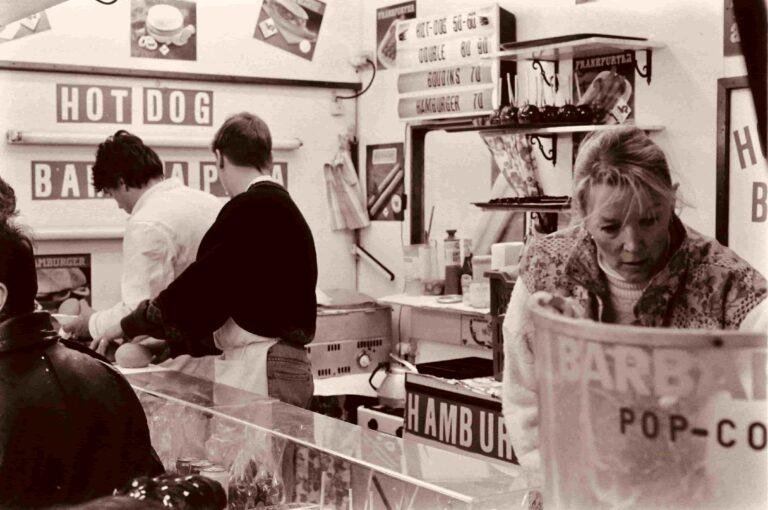
For most of American history bread came from a neighborhood bakery, and the neighborhood baker was very often an immigrant. He worked in a basement. His hands were in the dough. In the 1910s and 1920s, in a period of intense anxiety about immigration and about germs, both of which were being written about constantly in the same newspapers, that arrangement started to feel suspect to a lot of people.
Factory bread offered an answer. It was made by machines, in a clean bright building, by nobody’s hands at all. It arrived wrapped.
Wonder Bread launched in May 1921, from the Taggart Baking Company in Indianapolis. The first advertisement ran before the product existed and promised only that a wonder was coming. Continental Baking bought the brand in 1925. In 1928, in Chillicothe, Missouri, a machine built by Otto Rohwedder sliced a loaf of bread for the first time in a commercial bakery, and the phrase we still use for a good idea entered the language. There is an irony in this that I find hard to get past. Industrial white bread is now the standard example of food alienated from its origins, the thing people point to when they say nobody knows where their food comes from anymore. It was sold as the solution to exactly that anxiety. Clean hands. Visible process. Nothing hidden
The sweetness was not, at first, a flavor decision. It was engineering.
Sugar feeds yeast. More sugar plus a hotter oven means faster rising, and faster rising means more loaves per shift. Emulsifiers came next, which let fat and water combine more evenly and gave the loaf its height and its uniform crumb. That uniformity is why factory bread has no holes in it. The holes were designed out.
Then vitamins were added, and white bread was marketed during the war years as the thing that would build strong young men.
Every one of those changes was made for a production reason. The taste followed the machinery, not the other way around. By the time anyone got around to asking Americans what they wanted bread to taste like, Americans had been eating sweet fluffy bread for a generation and answered accordingly.
Which is what makes the Rockford project so strange. It was not imposing a taste on the public. It was measuring a taste the industry had already created, and then optimizing for it.
There is a detail in the modern research on this that I keep thinking about.
When people are asked to choose between loaves, they consistently pick the fluffiest option available. When the same people are asked what is wrong with commercial bread, a substantial share complain that it is too airy.
Both responses are sincere. Given a choice in the moment, the soft one wins. Asked to reflect, people say they want something with more substance. This is not hypocrisy, it is just how preference works, and an industry that optimizes on the first question will build a product that fails the second one forever.
Britain ran its own version of this in 1961 with the Chorleywood process, which eliminated long fermentation entirely and now accounts for the large majority of British commercial bread. Different country, same trade: time removed, softness added, flavor traded away.
Which brings me to the spring of 2020.
When people were stuck at home, they did not bake cakes. They baked bread. King Arthur reported flour sales rising more than 2,000 percent in March 2020. Sourdough starters got names. People who had never made anything with yeast were suddenly waiting eighteen hours for dough to ferment on their counters.
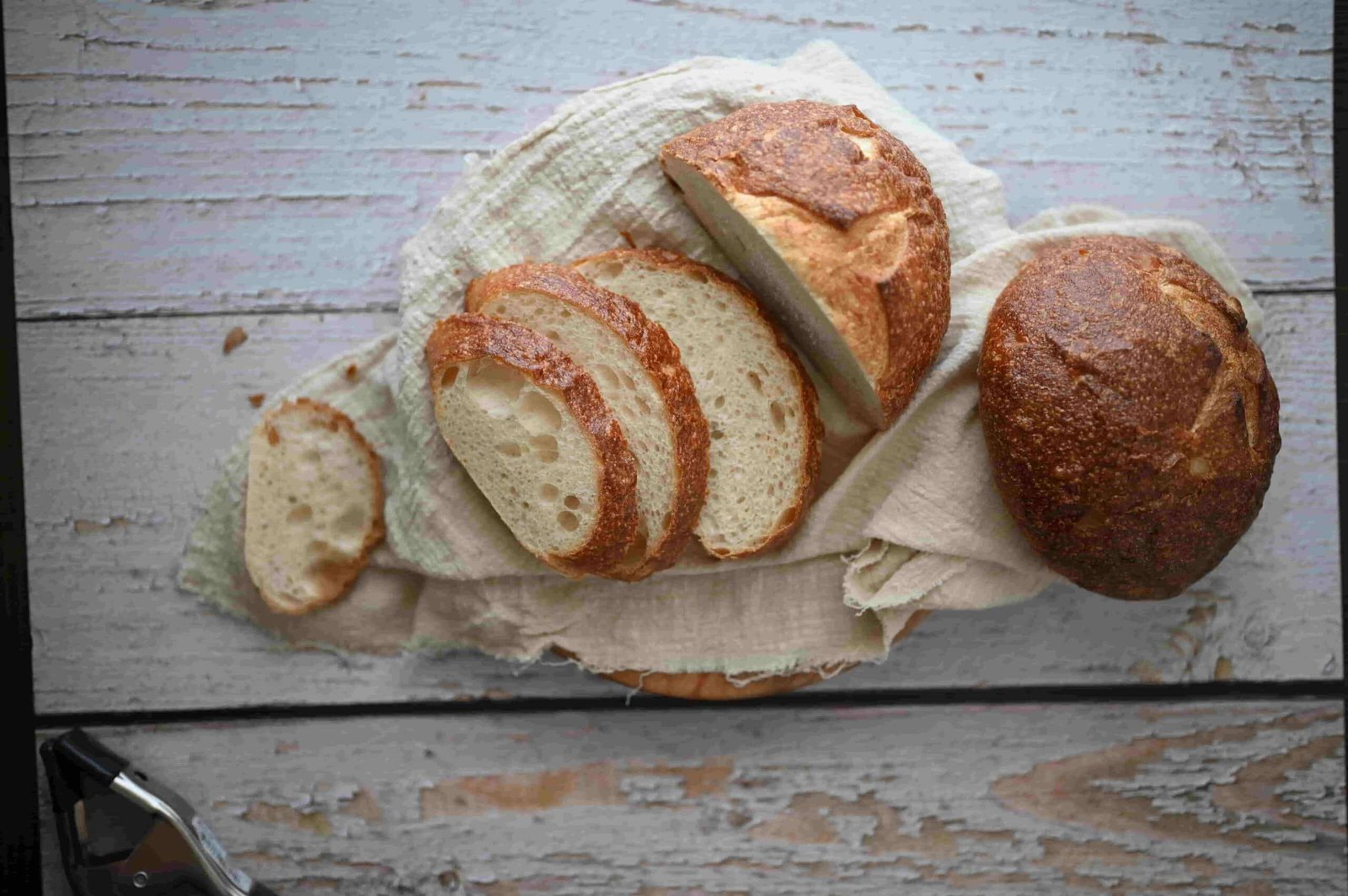
Some of that was boredom. But a lot of people, having made a loaf with four ingredients and no additives, discovered they preferred it, and home baking has stayed well above where it was before. I do not think that is a rebellion against Wonder Bread. Nobody is angry at a sandwich loaf. It is something smaller and more interesting: a hundred years after America handed
bread over to machines in exchange for cleanliness and convenience, a lot of people got the time back for a few months and quietly used it to take one thing off the machines.
The recipe I published last week takes four ingredients and about fifteen minutes of actual work. The rest is waiting, which is the part the whole twentieth century was spent trying to eliminate.
source
https://jayarrbread.com/blog/industrial-bread-vs-artisan-resurgence/