Is Block Cheese Cheaper Than Shredded? The Answer Is Less Certain Than Everyone Claims
Every frugal cooking article on the internet says the same thing: buy block cheese and shred it yourself, you are paying a premium for the bag.
I went looking for the evidence behind that claim, expecting to confirm it and move on. What I found instead is that the price argument is much weaker than everyone asserts, and the real argument for buying block is a different one entirely.
The one thing that is definitely true
Pre-shredded cheese is not only cheese.
Look at an ingredient list. A store-brand shredded sharp cheddar lists cheddar cheese, then potato starch and powdered cellulose added to prevent caking, then natamycin, a mold inhibitor. A national brand tested by America’s Test Kitchen listed modified cornstarch to prevent caking, plus natamycin.
Cellulose is plant fiber. Potato starch is potato starch. Neither is dangerous and neither is hidden; they are printed on the bag. But they are there because shreds stick together without them, and they occupy space that would otherwise be cheese.
So when you compare a pound of block against a pound of shreds, you are not comparing equal amounts of cheese. Some fraction of that bag is coating. Nobody publishes the exact percentage, and I am not going to invent one.
The price claim, which is shakier than it looks
Here is where the received wisdom falls apart.
I could not find federal average price data separating block from shredded cheese. BLS tracks cheddar, not the format. So every price comparison you read on this subject, including the confident ones, comes from somebody walking into a store and writing numbers down.
And when people actually do that, the results do not line up.
One blogger compared block and shredded across four chains, several brands, and package sizes from 6 ounces to 5 pounds, and found prices ranging from about 72 cents to $2.50 per cup with no consistent winner by format. A commenter on another article reported a 2 pound bag of pre-shredded at $2.44 against a 1 pound block at $2.00, which makes the shredded cheaper per pound.
Other sources put the gap at 20 cents to a dollar a pound in favor of block. Some claim shredded costs nearly double. Those two claims cannot both be describing the same market.
What is actually going on is that package size and promotion swamp the format difference. A 5 pound bag of shreds beats a 1 pound block on unit price almost every time, because bulk beats format. A small bag of shreds against a large block goes the other way.
The honest answer to whether block cheese is cheaper than shredded is: sometimes, in your store, this week, depending on sizes. Which is a useless answer unless you check, which is exactly the point of checking.
The argument that actually holds
Melting.
The anti-caking agents that keep shreds separate in the bag also keep them from combining smoothly in the pan. Starch and cellulose interfere with the way melted cheese flows together, which is why pre-shredded cheese on a nacho or in a mac and cheese tends toward greasy and grainy rather than smooth.
Block cheese has nothing in it doing that job, so it melts the way cheese is supposed to.
This is not a marginal difference and it is not subjective in the way flavor claims often are. If you have ever made a cheese sauce that broke or looked oily, and could not work out why, the bag is a strong suspect.
For anything where the cheese is meant to melt into something else, sauce, grilled cheese, queso, gratin, block is better and the price question is beside the point.
For anything where cheese is scattered on top and browned, tacos, a salad, a baked pasta, the difference is much smaller and the convenience is real.
Why the bag wins anyway
Shredded cheese outsold block cheese by more than a billion dollars in a year, according to market research cited by America’s Test Kitchen.
That is not consumers being fooled. It is consumers pricing their own time and deciding that ninety seconds with a box grater, plus washing the box grater, is worth some money. That is a legitimate trade, and it is the same trade as buying pre-cut vegetables or a rotisserie chicken.
What bothers me is not the trade. It is that the frugal-cooking internet presents this as a straightforward saving when the price evidence does not support it, and then buries the melting argument, which is the one that actually stands up.
What I do
Buy block for cooking. Anything where the cheese melts into a dish. The difference in result is worth more than either format’s price.
Check the unit price before assuming. The shelf tag has price per ounce. Compare the block against the bag on that number, not on the package price, and not on what an article told you. The 5 pound bag may genuinely win.
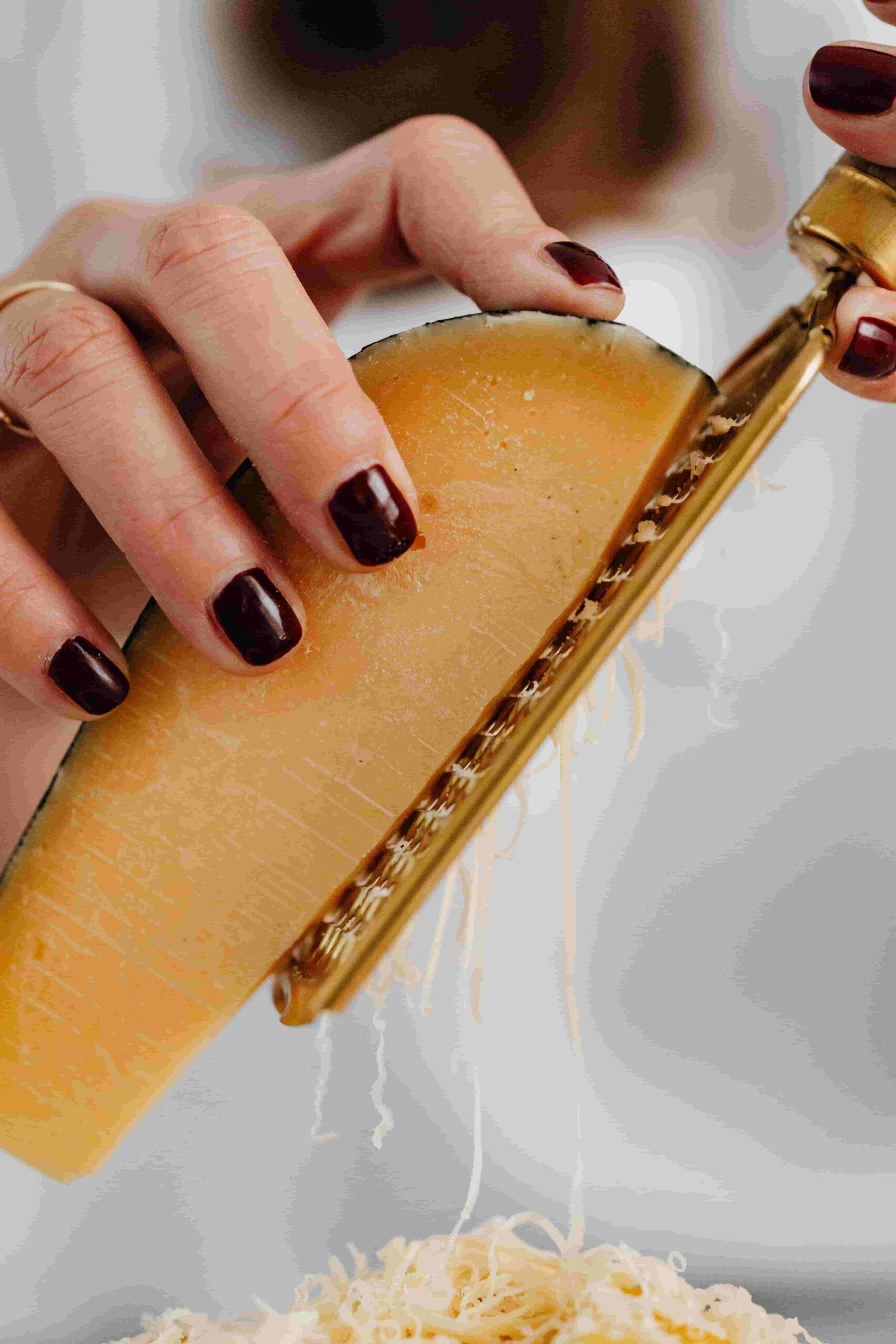
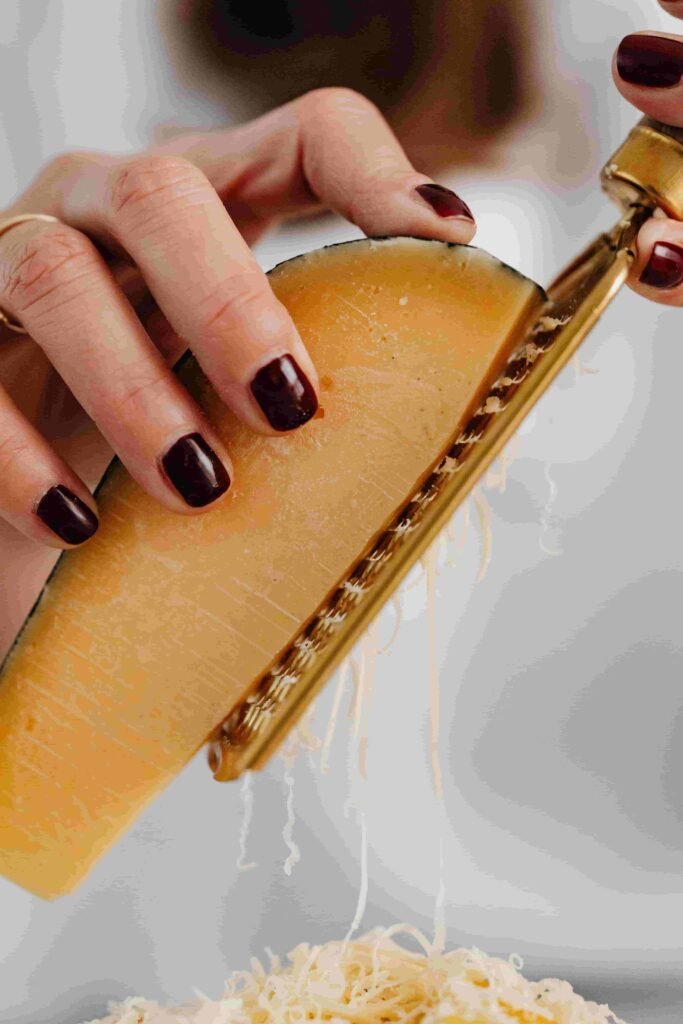
Shred a block at once and freeze it. This is the move that gets you both. Grate a whole block, spread it flat in a bag so it does not clump, freeze it. Hard cheeses like cheddar freeze well for a few months and go straight from the freezer into a pan. You get bag convenience without the coating.
Do not bother for hard grating cheeses. Parmesan and similar are less prone to clumping, need less anti-caking agent, and the price gap between formats is smaller.
The correction to the common advice
The next time you read that buying block cheese saves money, the accurate version is narrower.
Block cheese is more cheese per ounce, because shreds carry coating. Block cheese melts better, reliably and noticeably. Whether block cheese is cheaper on any given day is a question about package sizes in your store, and the confident numbers in circulation do not survive contact with an actual shelf tag.
Buy block. Just buy it for the right reason.