Food Protein Count: The Cheap Foods That Actually Deliver
Most “high protein foods” lists are written for people with a $200 grocery budget and a Whole Foods nearby. Salmon, quinoa, Greek yogurt, almond butter — all decent protein sources, all more expensive than they need to be. You don’t need any of them to hit your protein numbers. You need the boring foods that have been doing this job for a fraction of the price for decades.
Here’s the actual count, ranked by cost-per-gram-of-protein, not by what looks good in a wellness blog photo.
The Cheapest Protein Counts, Per Serving
Eggs — 6g protein per large egg, ~$0.25 each The benchmark. A 3-egg breakfast gets you 18g of protein for under a dollar, and eggs are one of the few “complete protein” sources on this list, meaning they contain all nine essential amino acids.
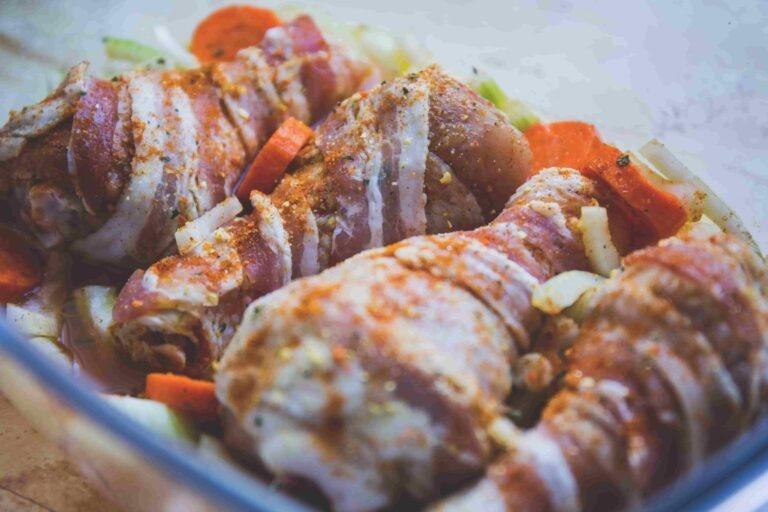
Chicken thighs — 21g protein per 4 oz, ~$0.60-0.90 Skip the chicken breast markup. Thighs have slightly more fat but nearly identical protein, and they cost less per pound almost everywhere. This is the highest protein-per-dollar meat you’ll find in a regular grocery store.
Canned tuna — 22g protein per can (5 oz drained), ~$1.00-1.50 Shelf-stable, no cooking required, and the protein count holds up against much pricier fish. One can covers close to half the average person’s daily protein target.
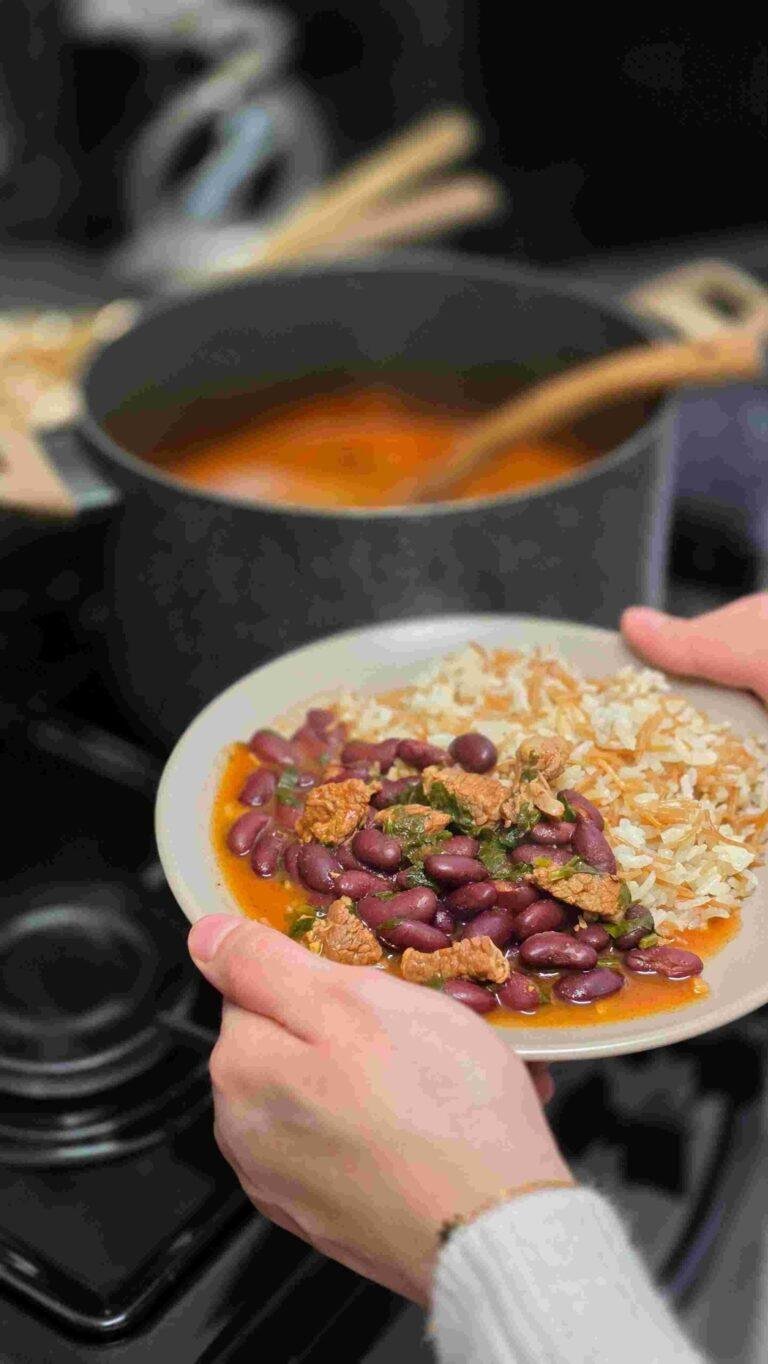
Canned black beans — 15g protein per cup, ~$0.80-1.00 per can Plant-based and cheap, though the protein isn’t “complete” on its own — pair it with rice for a full amino acid profile, which is exactly why beans and rice shows up in nearly every budget cuisine on earth.
Peanut butter — 7g protein per 2 tbsp, ~$0.15-0.20 per serving Not a meal on its own, but the cheapest protein-per-dollar on this entire list by a wide margin. Good for closing a gap at the end of the day.
Cottage cheese — 12-14g protein per half cup, ~$0.60-0.80 Underrated. Higher protein density than most yogurt, lower cost, and it works in both sweet and savory dishes.
Lentils — 18g protein per cooked cup, ~$0.30-0.40 Dried lentils are one of the cheapest proteins per pound of any food, period. No soaking required, ready in 20 minutes, and they hold their shape better than most beans in soups and stews.
Why the Count Matters More Than the Source
Protein is protein once it’s in your body — the source matters for other nutrients (fiber, fat profile, micronutrients), but if the goal is simply hitting a number, a $1 can of tuna and a $12 piece of salmon deliver comparable grams. The salmon isn’t giving you more protein. It’s giving you omega-3s and a better price tag for a magazine photo.
If you’re tracking numbers, this is the order that actually matters:
- Protein per dollar — thighs, eggs, lentils, canned fish, beans, peanut butter.
- Protein per gram of food — chicken breast, tuna, and lean cuts win here, but cost more.
- Complete vs. incomplete protein — matters most for people eating plant-based; pair beans/lentils with a grain to cover it.
A Realistic Day, Counted Out
- Breakfast: 3 eggs — 18g
- Lunch: 1 can tuna + bread — 22g
- Snack: 2 tbsp peanut butter — 7g
- Dinner: 4 oz chicken thighs + 1 cup lentils — 39g
Total: 86g of protein, for roughly $4-5 in ingredients. That’s within range of most adult daily targets, without a single “superfood” or $15 protein powder tub involved.
The Bottom Line
You don’t need exotic protein sources to hit real numbers. Eggs, chicken thighs, canned tuna, beans, and peanut butter cover almost every protein target at a fraction of the cost of what most “high protein” content recommends. Count what’s actually in the food, not what’s trending.