Frozen vs Fresh Produce: The Price Myth Nobody’s Debunking
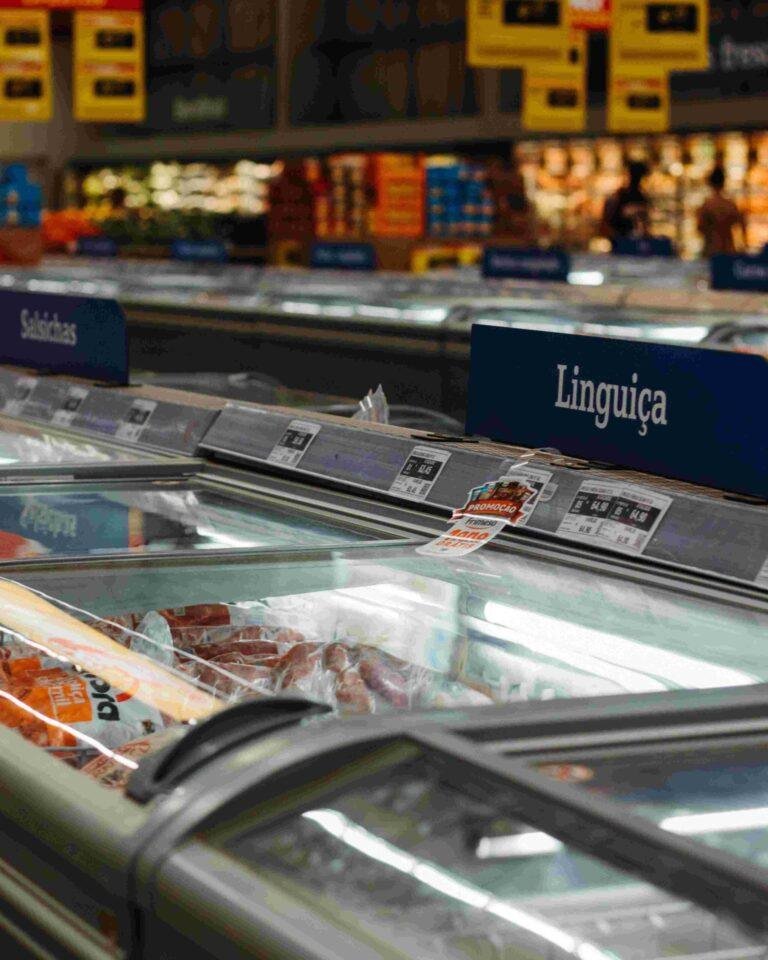
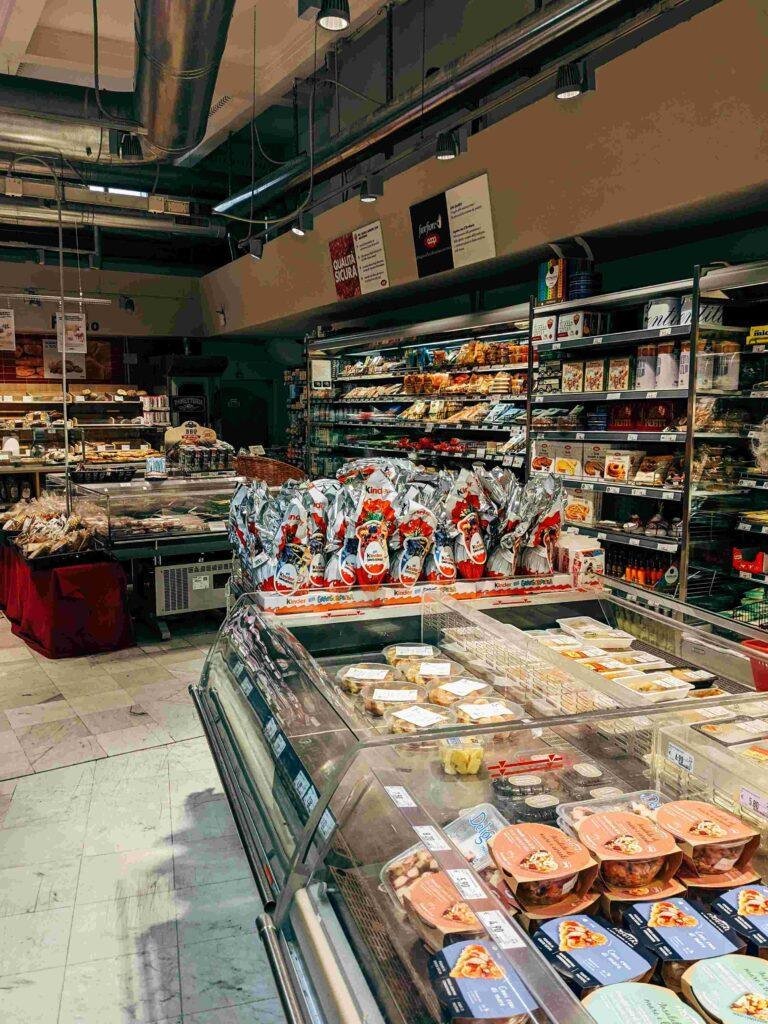
Okay, let’s talk about the freezer aisle. You know the one. It’s usually tucked in the back corner of the store, lit like a submarine, and somehow it always feels like the “budget” section compared to the produce aisle up front with its misting system and dramatic lighting on the tomatoes.
There’s this idea floating around that fresh produce is the “real” grown-up choice and frozen is what you buy when you’re broke or lazy. And honestly, that’s backwards more often than people think. Let’s actually look at the numbers instead of just vibing our way through the grocery store.
So what’s actually cheaper?
The USDA tracks retail prices for over a hundred fruits and vegetables, comparing them by cup equivalent so it’s an apples-to-apples comparison (pun very much intended). And the results are kind of all over the place, which is exactly the point. There’s no universal winner here.
Take corn. Fresh corn runs a lot more per cup than frozen corn, not a small gap either, more than double in USDA’s numbers. Raspberries tell a similar story: fresh raspberries cost noticeably more per cup than the frozen bag. Meanwhile apples flip the script, fresh apples are actually cheaper than applesauce, so processed isn’t automatically the bargain option either.
Green beans are a good real-world example too. Recent NielsenIQ retail data shows fresh green beans running about a third more per pound than frozen ones, even though fresh green beans still sell better. People are paying extra for the fresh bag out of habit, not because it’s the objectively smarter buy.
The honest takeaway: it depends entirely on what you’re buying. Sturdy stuff like corn and beans tends to be cheaper frozen. Delicate stuff that’s cheap and abundant in season, like apples in fall, can be cheaper fresh. There’s no blanket rule, so “frozen is always cheaper” is just as much of a myth as “fresh is always cheaper.”
Wait, isn’t fresh healthier though?
This is the part that surprises people the most. A two-year study out of the University of Georgia compared fresh and frozen versions of eight common fruits and vegetables, tracking vitamin A, vitamin C, and folate. The frozen stuff held up just as well as fresh produce that had been sitting in a fridge for five days, and in some cases it actually came out ahead. https://americankitchentales.com/cooking-at-home-vs-eating-out-in-2026-what-the-price-data-actually-says/
Here’s why: produce headed for the freezer usually gets picked at peak ripeness and frozen within hours. Produce headed for the fresh aisle often gets picked early so it survives the truck ride, then sits in transit and on shelves losing nutrients the whole time. Green peas, for example, can lose around half their vitamin C in the first day or two after being picked. So that “fresh” bag of peas that’s been traveling and sitting for a week isn’t necessarily beating the frozen bag that got flash frozen the same day it came off the vine.
Basically, “fresh” describes when you bought it, not how nutritious it still is by the time it hits your plate.
The actual verdict
Neither one wins across the board, and anyone telling you otherwise is selling something (sometimes literally, looking at you, produce section lighting designers). A decent rule of thumb:
- Buying something out of season or just for convenience, like corn, peas, spinach, or berries? Frozen usually wins on price and holds its own on nutrition.
- Buying something in peak season locally, like apples in October or tomatoes in July? Fresh can genuinely be the cheaper and tastier call.
- Meal prepping or batch cooking? Frozen is honestly underrated here since nothing goes bad in your crisper drawer while you’re not looking at it.
So next time someone gives you a hard time for grabbing a bag of frozen broccoli, feel free to hit them with the receipts. Your wallet, and probably your vitamin C levels, will thank you.
https://www.healthline.com/nutrition/fresh-vs-frozen-fruit-and-vegetables
https://www.ers.usda.gov/data-products/charts-of-note/110102