Cheap Food Tastes Cheap for One Reason, and It Is Almost Always Salt
I have spent months on this site arguing that you can eat well for very little money. Flour, eggs, bone-in chicken, lentils, potatoes. The arithmetic holds.
But there is a gap between the arithmetic and the plate, and I want to name it, because it is the thing that makes people give up on cooking cheaply and go back to buying food that someone else already seasoned.
Cheap ingredients taste flat. Not bad, flat. And the reason is almost never the ingredient. It is that you salted at the end.
Salt at the end sits on top Cheap
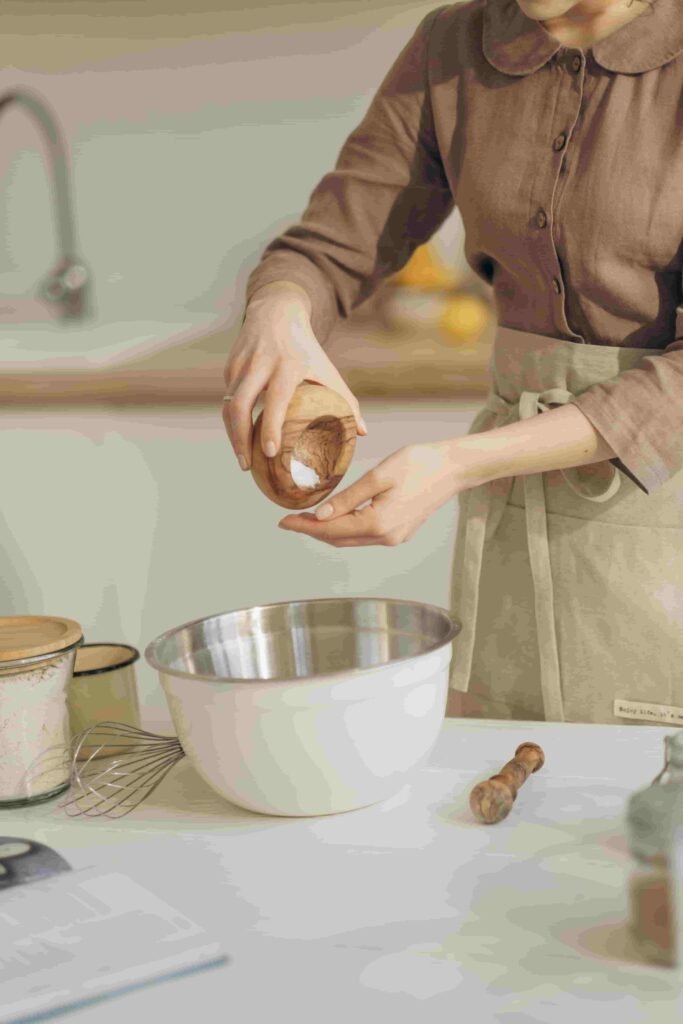
When you cook something and then salt it at the table, the salt stays on the surface. You taste salt, then you taste the food underneath it. Two separate sensations arriving in order.
When salt goes in early, it dissolves into the water inside the food and moves through it. You do not taste salt at all. You taste the food, more of it, louder. https://americankitchentales.com/store-brand-vs-name-brand/
That is the entire technique. Expensive ingredients have enough going on to survive being seasoned badly. A potato does not. A potato salted at the table is a bland potato with salt on it. The same potato salted while it cooks is a good potato.
Where to put it
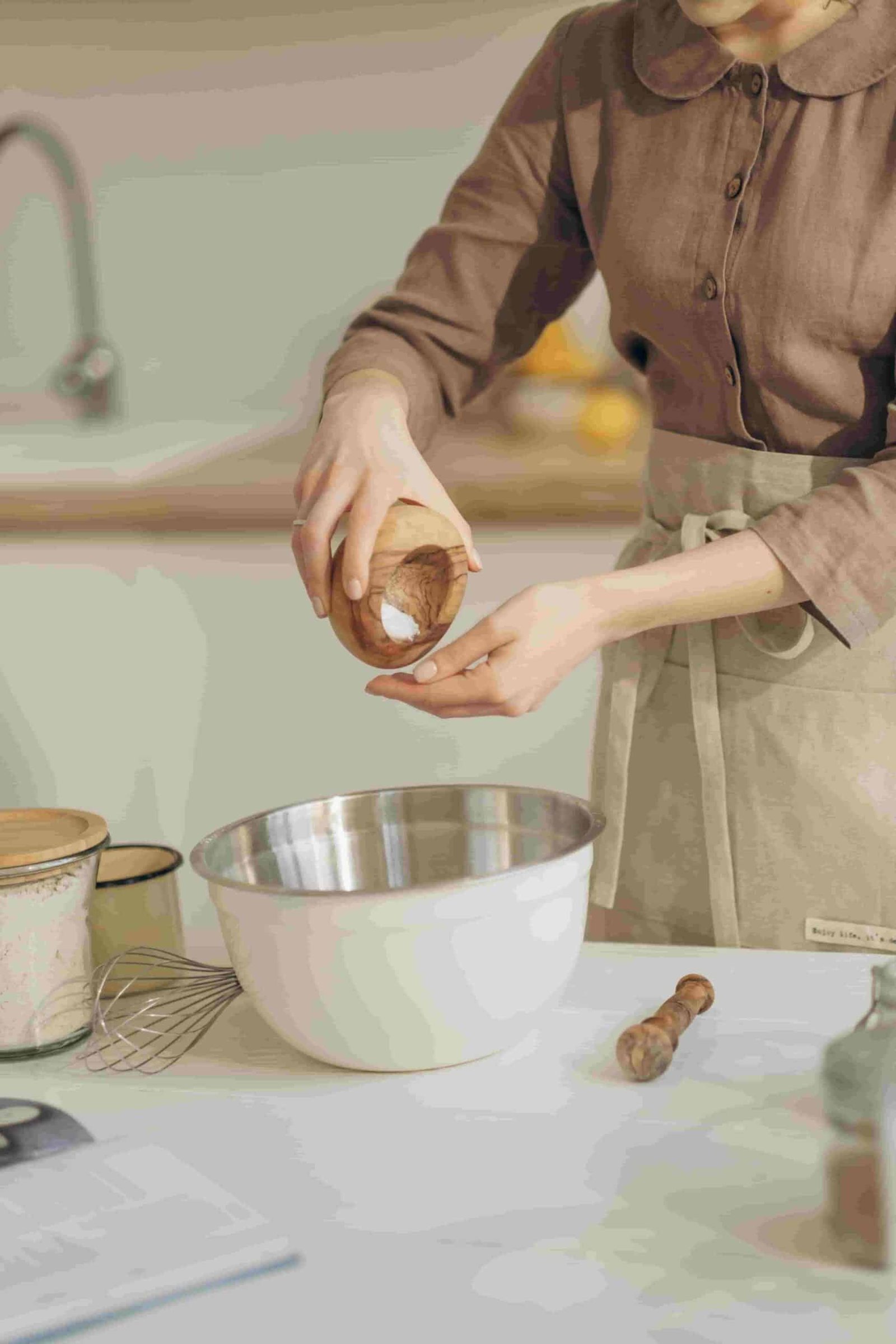
In the water. Pasta water, potato water, rice water, bean water. This is the single biggest one. Water that tastes noticeably salty seasons everything cooked in it, and most of that salt goes down the drain rather than into you.
On the meat, ahead of time. Even fifteen minutes before cooking is better than nothing. An hour is better. Overnight in the fridge is better still. The salt pulls moisture out, dissolves, and gets drawn back in carrying the seasoning with it.
In stages. A pinch on the onions when they go in the pan. A pinch when the liquid goes in. A taste and an adjustment at the end. Each layer seasons a different part of the dish.
In the flour, in the eggs, in the batter. Anything you mix before cooking gets salted at the mixing stage, not after.
The part nobody tells you
Taste it. Then add more.
Almost every home cook I know undersalts, then compensates with something else. More cheese. More sauce. More butter. All of those cost money. Salt costs nothing, and a dish that is properly salted usually needs less of everything else you were adding to make up for it.
If a soup tastes thin and you cannot work out why, it is not missing an ingredient. It is missing salt about ninety percent of the time. https://www.americastestkitchen.com/articles/1501-is-it-better-to-brine-meat-longer
And acid
The other half of the same problem. A squeeze of lemon or a splash of vinegar at the end of a soup, a stew, a pot of beans, does something salt alone cannot. It lifts everything and stops the dish tasting heavy.
Lentils in particular. I said this in the soup recipe and I will say it again here: most people who think they dislike lentils have only eaten them without acid.
One caveat
This is a technique post, not dietary advice. If you are managing sodium for medical reasons, follow the guidance you have been given rather than mine, and lean harder on the acid, on aromatics, and on browning things properly, which do a surprising amount of the same work.
For everyone else: the reason your cheap dinner tastes like a cheap dinner is not that you bought cheap ingredients. It is that you seasoned them like an afterthought.
Salt earlier. Taste more often. It is the only upgrade on this entire site that costs nothing.