Which Fruits Should Not Be Stored Together: The Gas That Ruins Your Produce Drawer
If you have ever wondered which fruits should not be stored together, the short answer is that the ones that ripen fast should be kept away from everything that ripens slowly. The reason is a gas called ethylene, and once you know which side each item is on, the fruit bowl stops being a mystery.
I did not learn this from cooking. I learned it from stock control, where produce is the category that punishes you for storing things in the wrong order.
What ethylene actually does
Ethylene is a plant hormone. Fruits release it as they ripen, and it triggers ripening in whatever is nearby. It is the reason a single overripe banana can take out a bowl of fruit in two days.
The gas is not harmful and it is not a defect. Commercial packers use it deliberately to bring fruit to ripeness on schedule. In your kitchen it just works without supervision.
The critical detail, and the one most people miss: this applies inside the refrigerator too. Cold slows ethylene production but does not stop it. Sealing an apple and a bag of lettuce in the same drawer is a bad idea at any temperature. https://americankitchentales.com/food-inflation-2020-2026/
The producers
These release ethylene, especially as they approach ripeness:
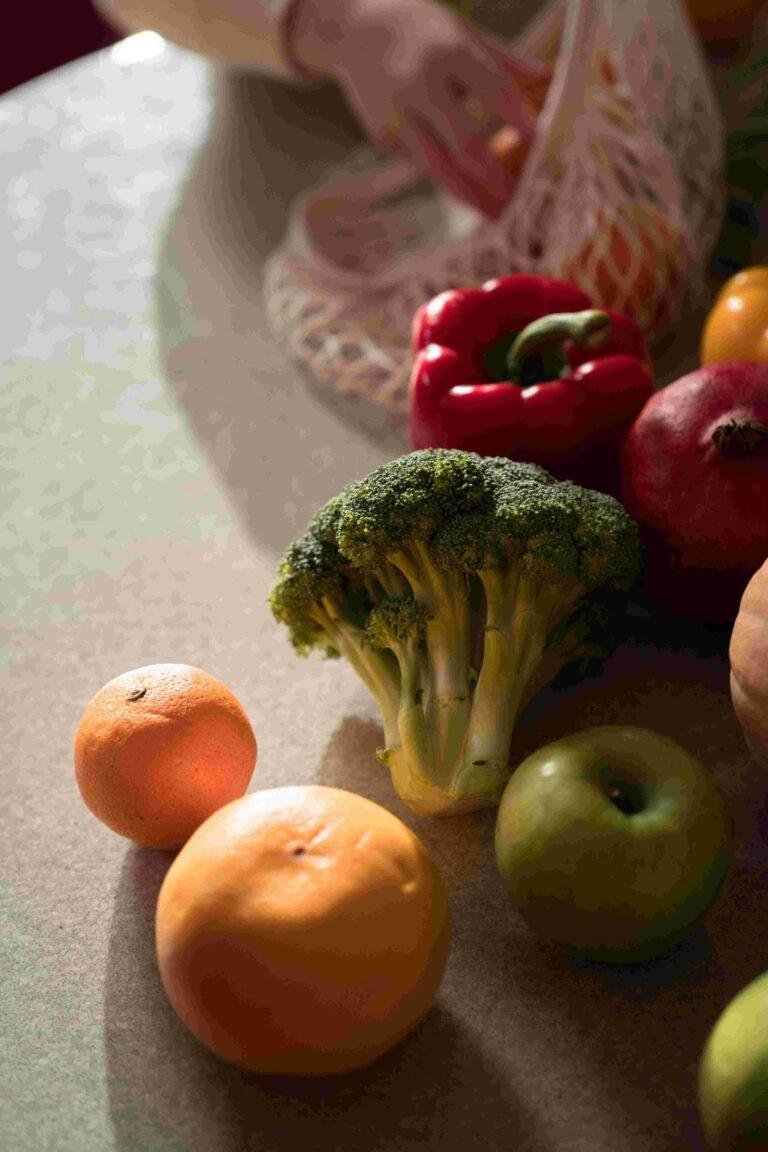
Apples, bananas, tomatoes, avocados, pears, peaches, plums, nectarines, mangoes, cantaloupe, honeydew, and figs.
Bananas and tomatoes ramp up sharply as they get overripe, which is why the last banana in the bunch does so much damage.
The sensitive ones
These ripen, wilt, or rot faster when exposed:
Leafy greens and lettuce, broccoli, cauliflower, cabbage, brussels sprouts, asparagus, cucumbers, carrots, green beans, peppers, summer squash, mushrooms, watermelon, and fresh herbs.
Note that watermelon is on this list while cantaloupe and honeydew are on the other one. Melons are not one category.
So which fruits should not be stored together
The practical version, in four rules.
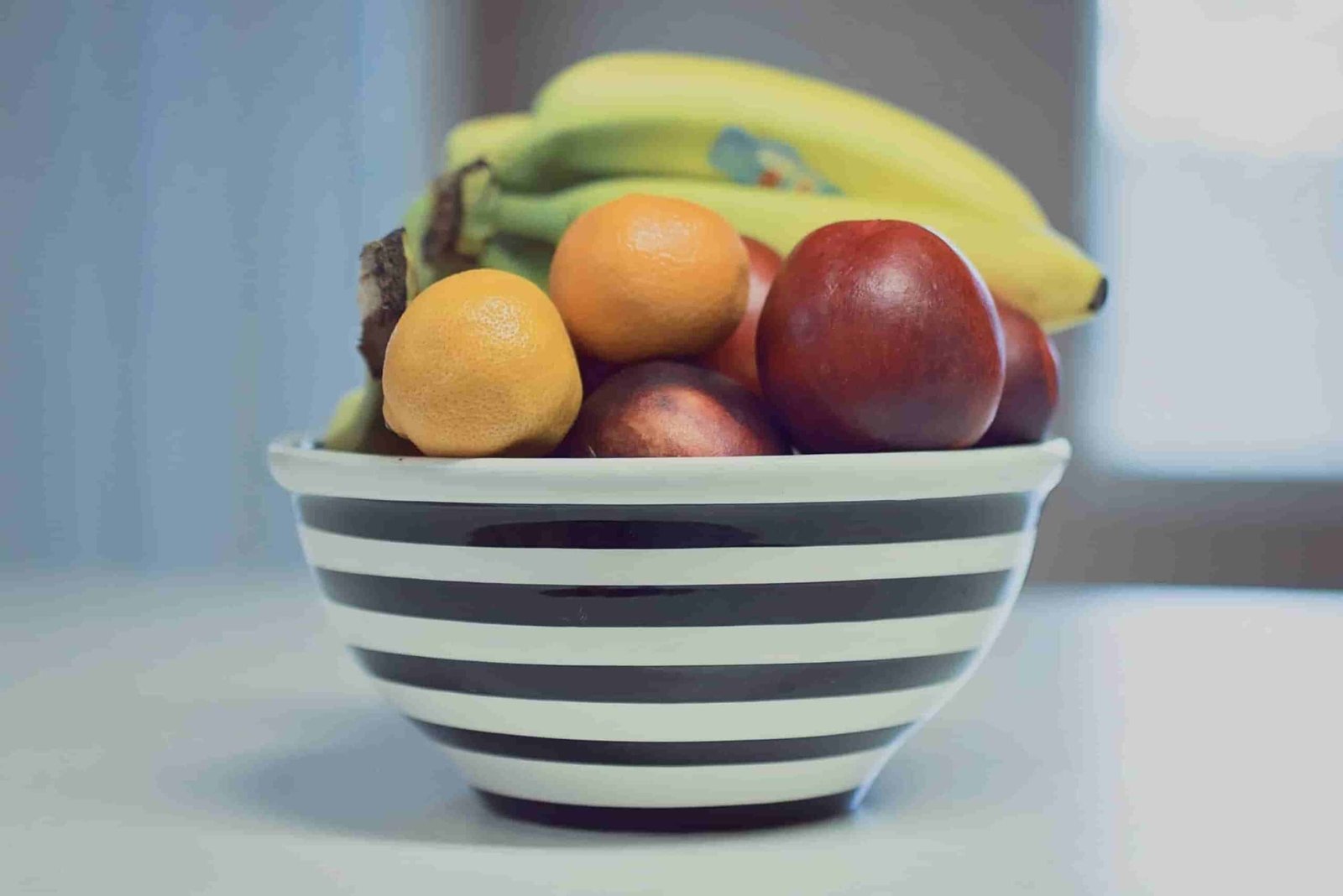
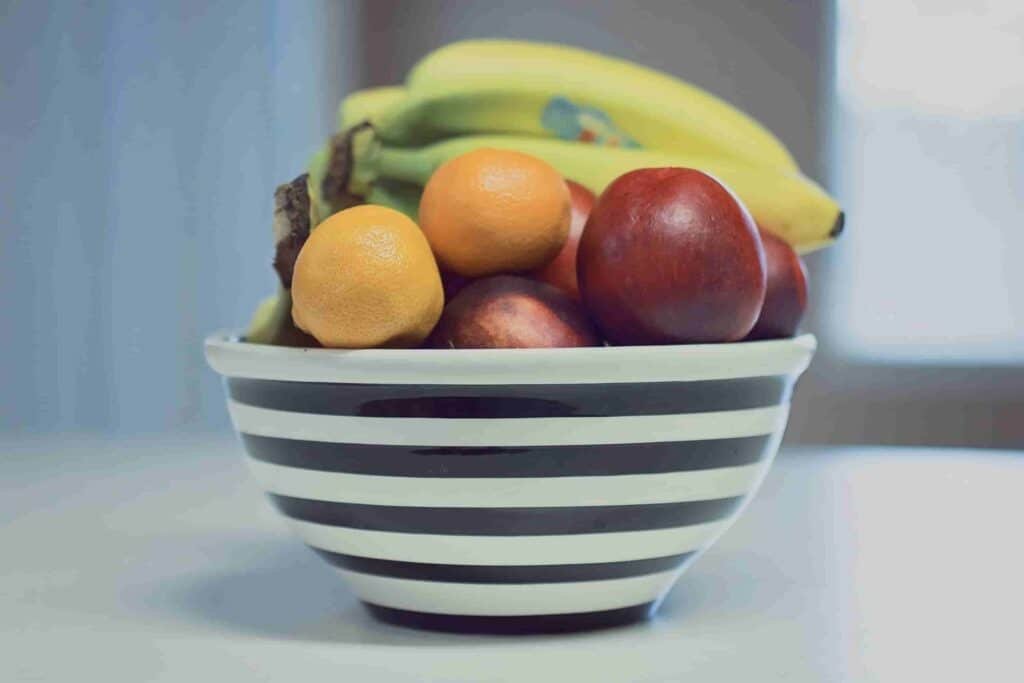
Keep the fruit bowl for producers only. Apples, bananas, pears, tomatoes , together, away from everything else. They will ripen each other, which is what you want if you plan to eat them this week.
Keep sensitive produce in the refrigerator, in a separate drawer. Most refrigerators have two crisper drawers. Use one for greens and vegetables, the other for fruit. If yours has humidity sliders, high humidity for the vegetables, low for the fruit.
Never store onions and potatoes together. This is the classic mistake. Onions release moisture and gases that make potatoes sprout and soften faster, and both should be in a cool dark place but not the same container.
Keep onions away from apples. Apples absorb odors readily, and you end up with onion-flavored apples. Nobody wants that and it happens faster than you would think.
What should never go in the refrigerator
A separate rule that overlaps with the first one.
Tomatoes lose flavor and turn mealy below about 55°F, and the change is not reversible. Bananas blacken. Potatoes convert starch to sugar and go oddly sweet. Onions and sweet potatoes both do better in a cool dry cupboard.
Stone fruit and avocados should stay out until they are ripe, then move to the fridge to hold them there.
Storage guidance from Michigan State University Extension puts potatoes, onions, sweet potatoes, tomatoes, and bananas in the do-not-refrigerate group, with recommended ranges of roughly 45 to 60°F for some items and 60 to 70°F for others.
One piece of advice I am not sure about
You will read that putting an apple in the bag with your potatoes stops them sprouting.
Extension guidance points the other way. University of Missouri Extension states that ripening fruits like apples and pears give off ethylene that shortens the storage life of vegetables, and that potatoes in particular sprout early when stored near certain fruits.
I have seen the apple trick repeated confidently in a lot of places, and I cannot find university guidance supporting it. Until I do, I keep them apart, which is also what the general rule says to do. If you have tested it properly, I would like to hear about it.
Why this is worth ten minutes
Reorganizing where things sit costs nothing and takes one session. No equipment, no containers, no app.
Produce is the category most households throw away most of, and a meaningful share of that is fruit and vegetables that spoiled several days earlier than they had to because of where they were sitting. Knowing which fruits should not be stored together is not a kitchen refinement. It is the cheapest possible reduction in your grocery bill, because it costs only the effort of moving things.
Sources
https://www.canr.msu.edu/cultivatemichigan/uploads/files/MMRW-ProduceStorage.pdf