Why Milk Prices Are Rising Faster Than Any Other Staple Right Now
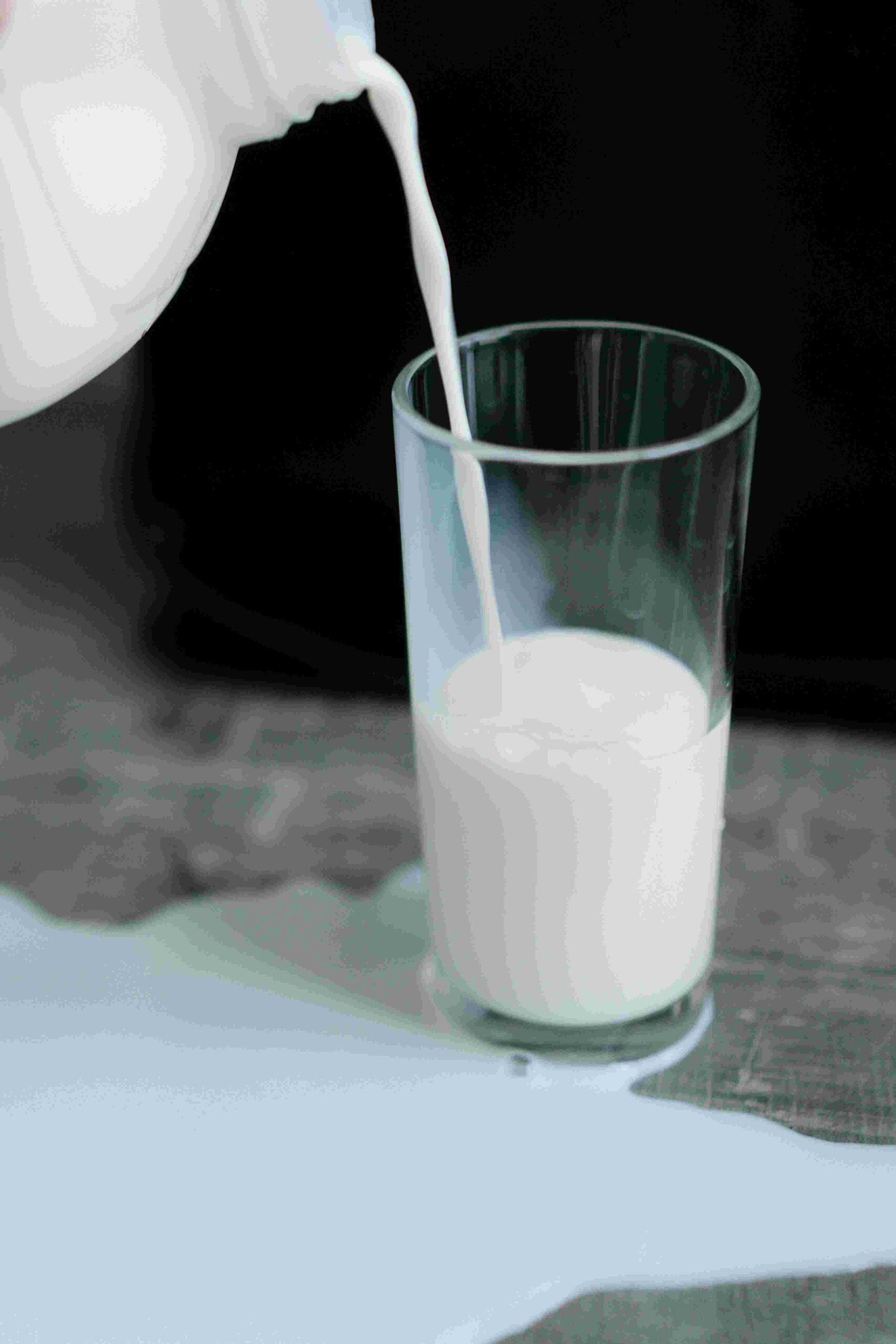
Eggs have dominated the grocery-price headlines for two years, and this year they’ve finally been giving shoppers a break: prices have fallen well off their 2025 peak. Milk hasn’t gotten the same treatment. In the latest round of federal price data, milk posted the largest month-over-month increase of any staple tracked — bigger than beef, bigger than coffee, bigger than anything else in the dairy case. The average price now sits at $4.32 a gallon.
That’s the opposite of where eggs are headed, and it’s worth asking why two products that sit two feet apart in the same refrigerated aisle are moving in completely different directions.
What’s actually driving it
Milk pricing runs on a slower, stickier cycle than most groceries. A dairy cow takes about two years from breeding decision to full milk production, so the supply on shelves today reflects herd decisions farmers made back in 2024 — long before this year’s cost pressures existed. When feed costs, labor, and fuel all climbed through 2025 and into 2026, many dairy operations didn’t expand their herds to match rising demand. The result: a supply that’s essentially locked in for months, arriving into a market where costs of production kept climbing anyway.
Unlike eggs, which can respond to a supply shock in a matter of weeks once a flock recovers, dairy herds can’t be scaled up quickly. That lag is the main reason milk prices are still climbing while other categories start to level off.
How it compares to the rest of the cart
| Staple | Price direction (recent month) |
|---|---|
| Milk | Up — the largest increase of any staple tracked |
| Ground beef | Up, after a brief dip |
| Eggs | Down, continuing to fall from 2025 peak |
| Chicken breast | Roughly flat |
Milk and beef are now the two categories actually adding pressure to the grocery bill, while eggs are one of the few genuine bright spots.
What this means at the register
At $4.32 a gallon, milk isn’t yet at crisis-level pricing the way eggs briefly were, but the trend line matters more than the current number. Unlike a weather-driven spike that can reverse quickly, a herd-size problem takes years to correct — farmers have to decide to raise more cows, which takes two more years to translate into more milk. If the current cost pressures on dairy operations don’t ease, this is a price trend with more room to run than most of what’s currently in the cart.
For now, the practical move is the same one that’s worked for other volatile staples: buy what you’ll use before it spoils, and don’t assume this month’s price is the ceiling.
How this compares to a year ago
A gallon of milk averaged closer to $4.05 a year earlier, which puts the current $4.32 at roughly a 7% year-over-year increase — well above the overall food-at-home inflation rate for the same period. That gap is the clearest sign that milk isn’t just rising with everything else; it’s outpacing the basket it sits in. For comparison, egg prices are down more than 30% over the same stretch, which is part of why a shopping cart that “feels” cheaper overall can still carry a more expensive dairy section.
What it adds up to for a family
A household that goes through two gallons of milk a week is now paying roughly $8.64 for that milk alone, versus about $8.10 a year ago. On its own, that’s a small difference — a few dollars a month. But milk rarely moves in isolation on a receipt. It sits alongside cheese, butter, and yogurt, most of which are priced off the same raw milk market. When the underlying commodity climbs, the whole dairy case tends to drift up with it, even when a single carton of yogurt or block of cheese doesn’t make headlines the way a gallon of milk does.
That’s the real budget impact: not one line item spiking, but a slow lean across an entire section of the cart.
Frequently asked questions
Will dairy costs come back down like eggs did? Not on the same timeline. Egg prices fell quickly because a recovering flock can be back at full production within months. A dairy herd takes roughly two years to scale up from a breeding decision to full milk output, so any correction in milk supply moves on a much slower clock.
Is organic milk affected the same way? Organic milk runs on its own, smaller supply chain with fewer producers, so it tends to be less reactive to the same feed-cost and herd-size pressures driving conventional milk — but it starts from a higher base price, so the dollar gap between the two doesn’t necessarily shrink.
Does buying a bigger container save money right now? Usually yes, on a per-ounce basis, but only if the household will finish it before it spoils — milk doesn’t keep long enough to make bulk-buying a hedge against future price increases the way shelf-stable staples do.
Should I switch to a plant-based alternative to save money? Depends on the brand and store. Some oat and soy milks are now priced close to or below conventional dairy milk, especially store-brand versions, but almond milk in particular is often priced higher per ounce than regular milk even during a dairy price increase.